Stenhammar Quartet

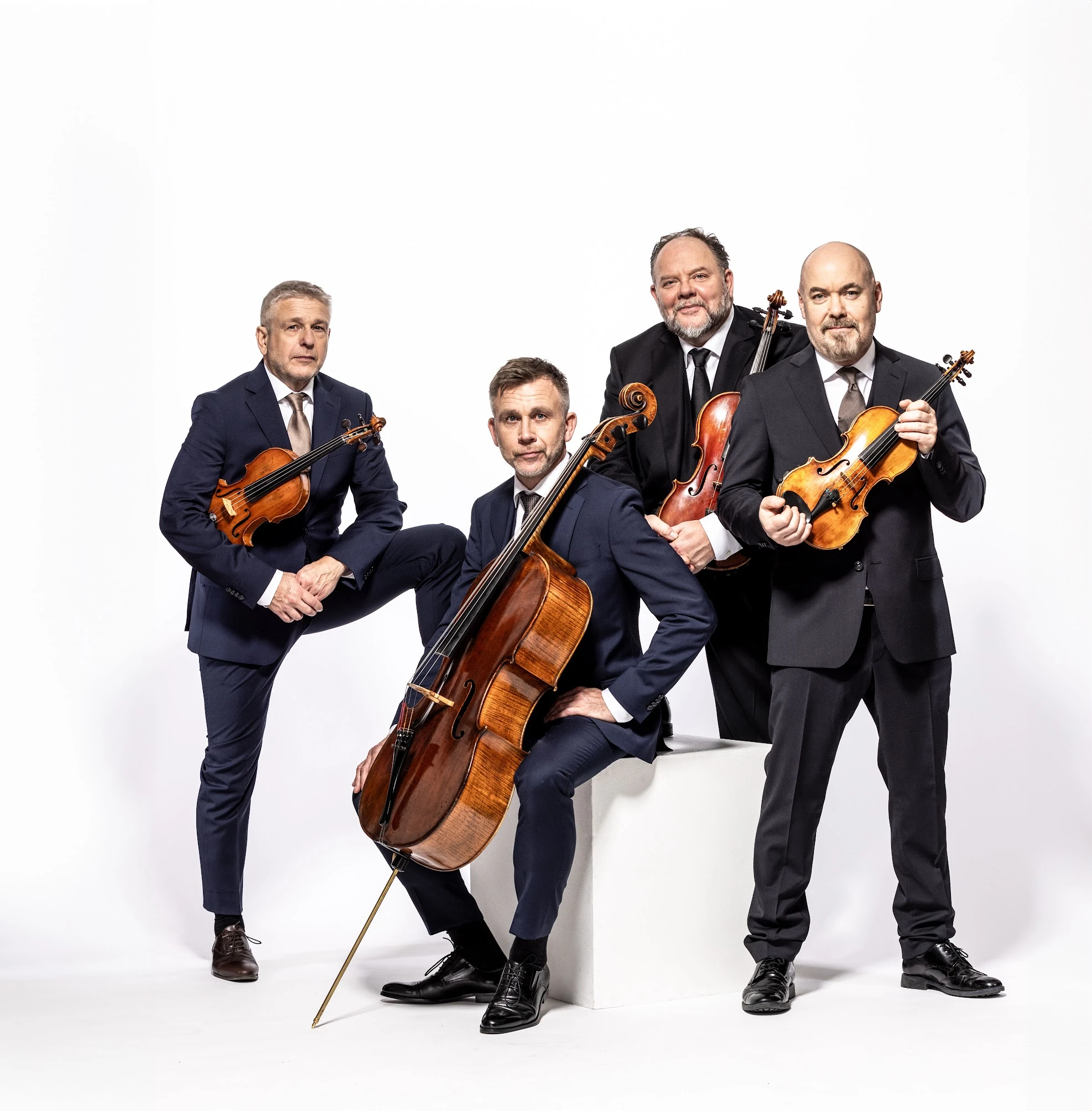
Formed in 2002, the Stenhammar Quartet has established itself as one of Scandinavia’s leading string quartets. A wide-ranging repertoire spans from the Classical period to contemporary works, while naturally affording the quartets of Wilhelm Stenhammar and other Swedish composers their allotted space. The Quartet regularly commissions works from Nordic composers, and has collaborated with figures such as Anders Hillborg, Sven-David Sandström, Kaija Saariaho and Bent Sørensen. In 2009 the ensemble was commended by the Royal Swedish Academy of Music for its contributions to Swedish music.

The Stenhammar Quartet has to date made some forty recordings for Swedish Radio, participated in broadcasts on Swedish television and been the subject of a documentary on the French music channel Mezzo. Its several recordings for record labels such as BIS, CPO and Alba have met with critical acclaim from reviewers both in Sweden and internationally, earning the Quartet two nominations for the Swedish “Grammis” Awards. In 2024 they released the first disc of two with quartets by the Finnish composer Kalevi Aho.

Touring extensively, the Stenhammar Quartet has performed across Europe, as well as Japan, Algeria and India, appearing at prestigious venues such as Beethoven-Haus in Bonn and Tokyo Bunka Kaikan.

Per Gross

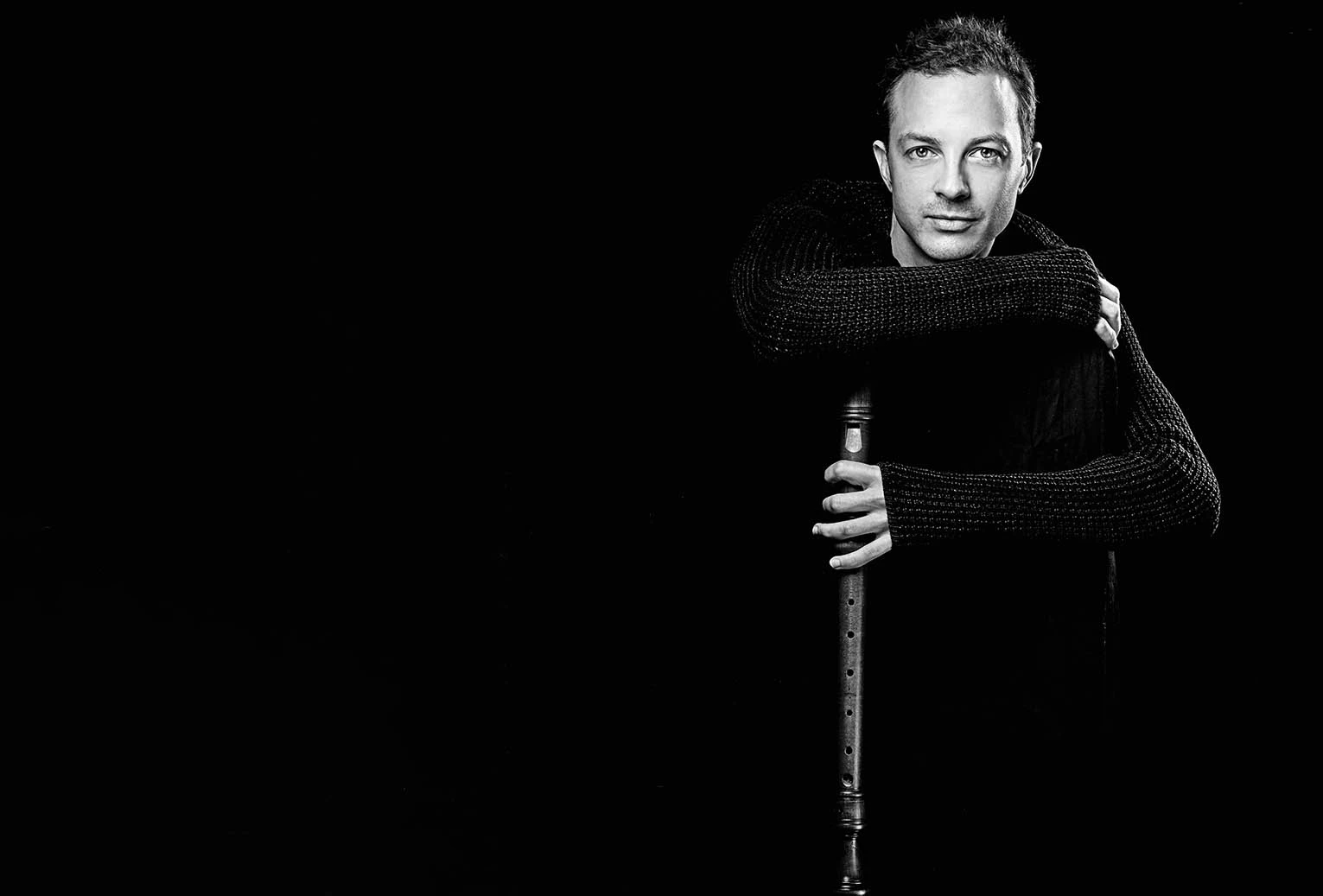
Per Gross is a Swedish recorder soloist and one of the leading virtuosos of his instrument. He began playing the recorder at the age of nine in the municipal music school and early on chose to focus on the instrument, even as many of his peers moved on to others. At fifteen, he made his solo debut at the Stockholm Concert Hall.

Gross completed his Master’s degree in Music/Performance in 2004 at the Academy of Music Southern Denmark, studying with Dan Laurin. Further studies at the Royal College of Music in Stockholm led to a soloist diploma in 2009. Since then, he has established an international career and received numerous scholarships and awards.

In 2008 he was awarded the Ljunggrenska Prize, which was widely noted by the press, followed by the Swedish Soloist Prize in 2010, one of the most significant distinctions of his career. The following year, Per Gross was invited to perform for the King of Sweden and international guests at Gripsholm Castle.

NOX

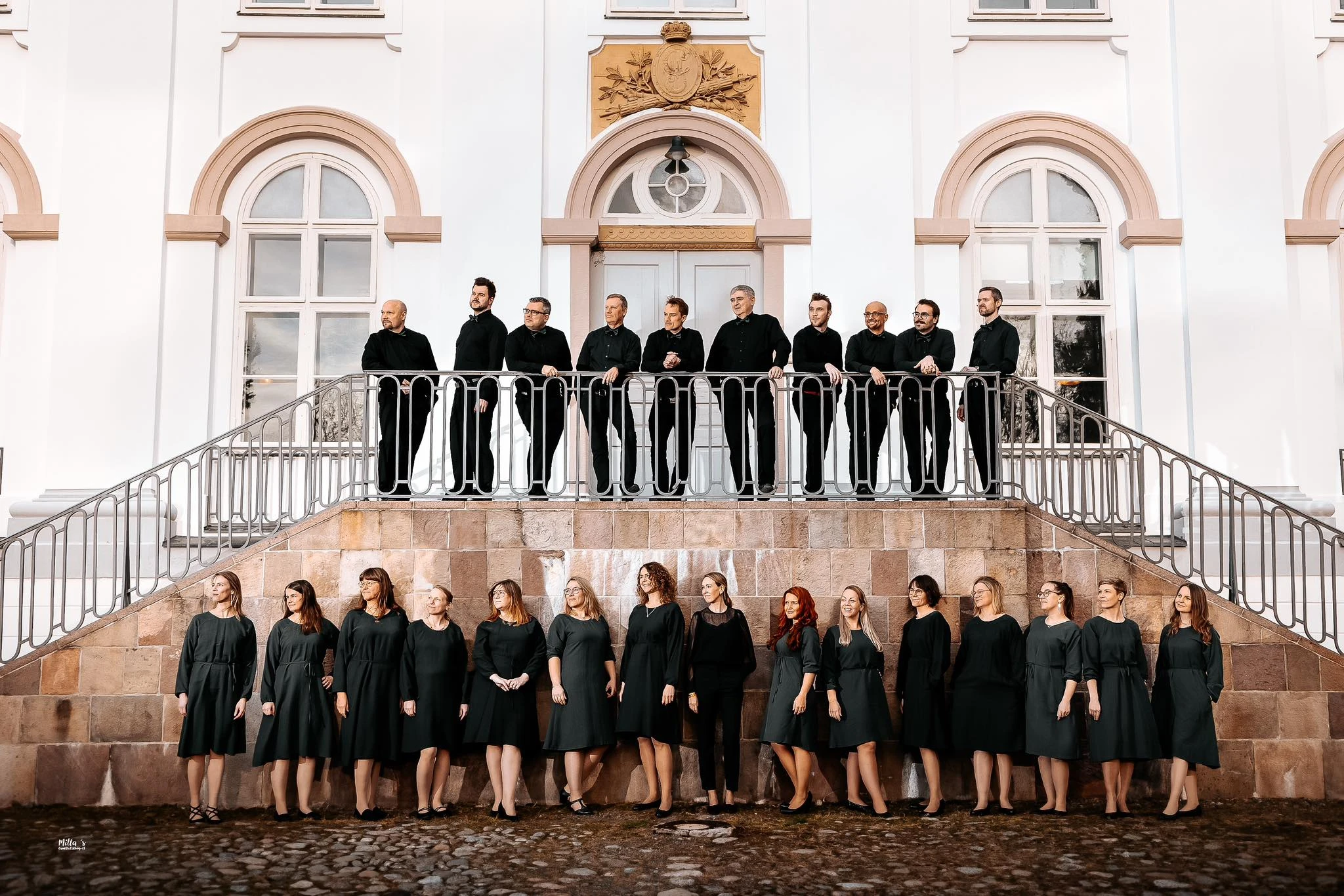
NOX is an award-winning mixed choir from Ostrobothnia and is today regarded as one of the leading Swedish-speaking choirs in Finland. The ensemble consists of experienced singers and works purposefully with an artistically ambitious approach, combining musical precision with strong presence and a curiosity for sound.

Its repertoire ranges from classical and sacred choral music to contemporary works and newly written choral repertoire, often with a clear intention to challenge both choir and audience.

NOX is an active part of the Swedish-speaking choral scene in Finland and performs regularly at concerts, festivals, and major musical events.

Nicholas Daniel OBE

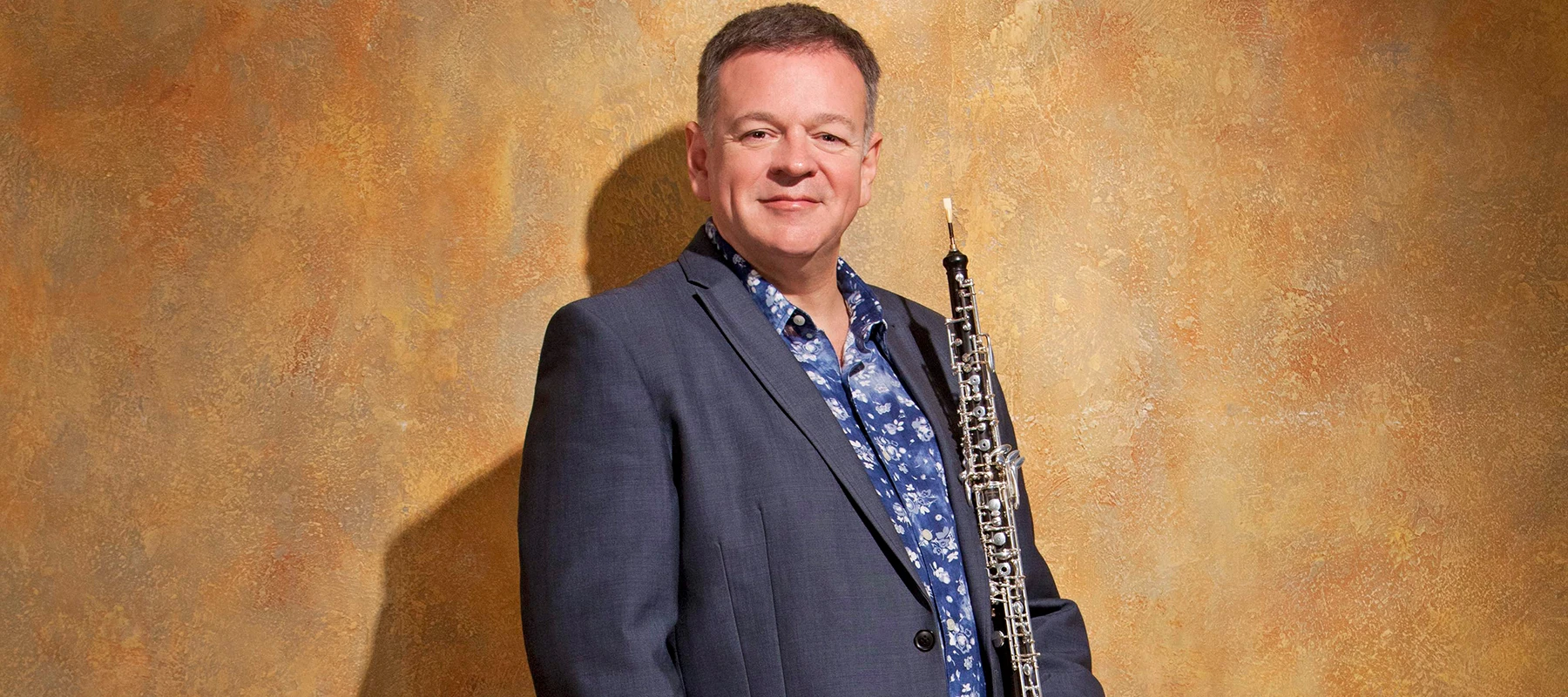
Nicholas Daniel OBE is one of the world’s leading oboists and one of Britain’s most influential musicians. He has profoundly expanded the oboe repertoire by commissioning and premiering hundreds of new works, alongside building a distinguished parallel career as a conductor.

As a soloist, he has appeared with major orchestras worldwide and is renowned for his wide-ranging repertoire, from Baroque to contemporary music. His recordings have received numerous awards. As a conductor he made his BBC Proms debut in 2004 and works across orchestral and operatic repertoire.

Nicholas Daniel is also a dedicated teacher and chamber musician, including as a founding member of the Britten Sinfonia. His honours include the Queen’s Medal for Music, an OBE (officer of the Order of the British Empire), and the Cobbett Medal for Chamber Music.

Michael Bleu

Michael Bleu is a Finnish musician, songwriter, and producer whose artistic expression moves between pop, rock, and cinematic soul. He first gained wide recognition in 2016 with the song Oi oi, which received extensive radio play and streaming success.

His debut album Michael Bleu Presents: Uusi Analogia was released in 2019, followed by American Graffiti (2020), an album deeply influenced by American music and film culture. With Auringonlaskun ratsastajat (2021), Bleu’s songwriting became more personal and introspective. The critically acclaimed Futuristik Soul (2024) explores themes such as the state of the world, climate change, and human vulnerability, and concludes with Ikuisuus, featured also in the end credits of the film Lapua 1976. In 2025, he released the piano-driven EP Varjomaat.

Alongside his solo career, Bleu has been active in several band projects, including The Duke and Colorblue, and works extensively as a producer, writer, and podcast host. His work is marked by strong storytelling and a seamless blend of music, film, and literature.

Angelika Klas

Angelika Klas is among Finland’s most charismatic and versatile vocal soloists. She graduated from the soloist department of Sibelius Academy and continued her studies at the Royal Danish Academy of Music. Klas moves effortlessly between musical genres and is particularly acclaimed for her interpretations of both the classical lyric repertoire and tango music inspired by Astor Piazzolla.

As an opera singer, she has performed several distinguished roles, including the Countess in Mozart’s The Marriage of Figaro, Carmen in Bizet’s Carmen, and Maria in Piazzolla’s Maria de Buenos Aires. She has appeared on major stages such as the Savonlinna Opera Festival, Novaya Opera in Moscow, the Mikhailovsky Theatre in St. Petersburg, and the Finnish National Opera.

Klas is also a sought-after interpreter of operetta and musical theatre, having sung leading roles in works such as Die Fledermaus, Viennese Blood, Orpheus in the Underworld, and The Count of Luxembourg, as well as the autobiographical musical Tamara at Turku City Theatre.

A frequent festival soloist, she has performed with most Finnish orchestras and appeared internationally in Sweden, Estonia, Germany, France, Spain, Lithuania, Hungary, Norway, Russia, and Denmark. Angelika Klas is also the soloist of the tango-focused Kotaja Quintet and has released several albums of tango and crossover music.

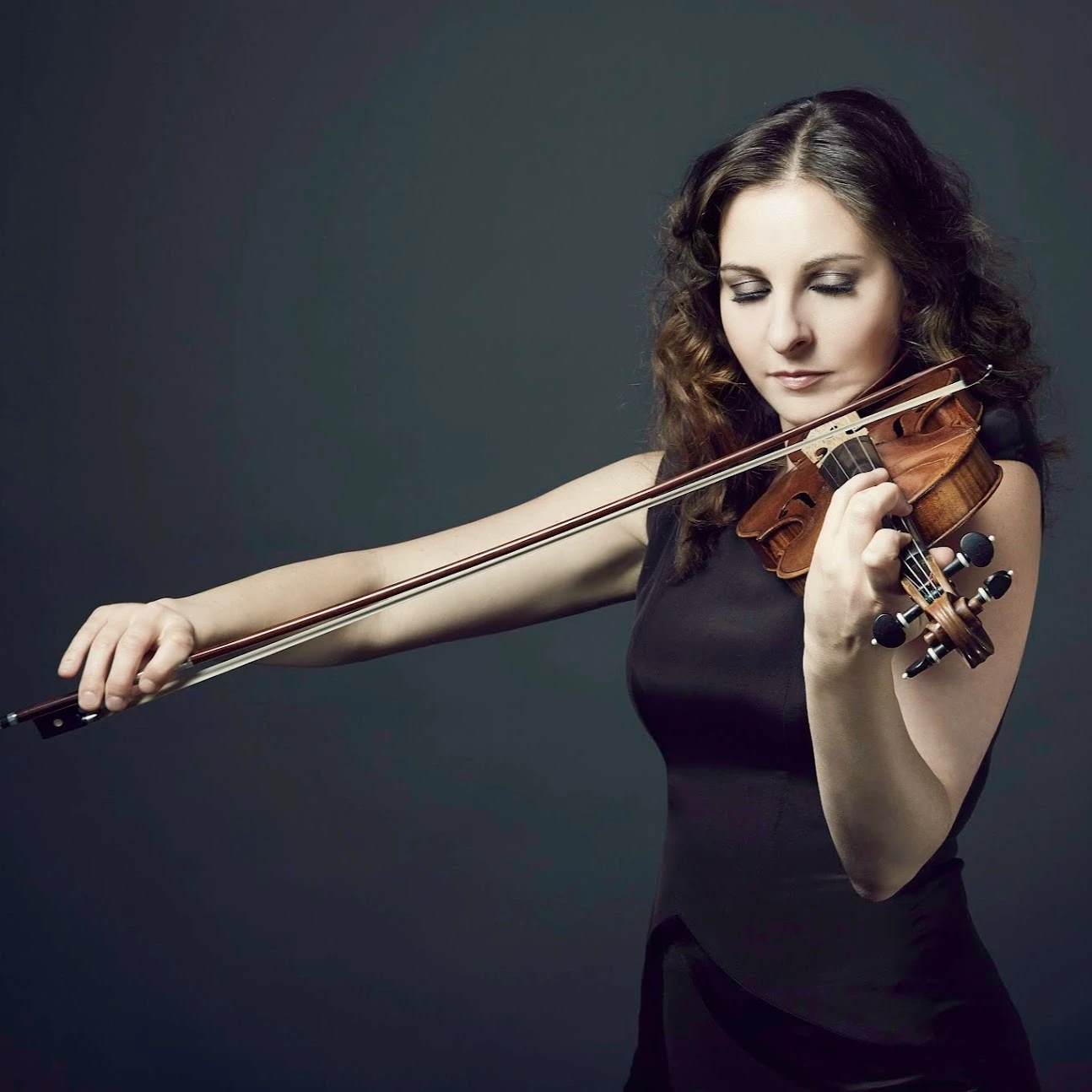
Alissa Margulis

Alissa Margulis is one of the most expressive and internationally respected violinists of her generation. Born in Germany into a family of Russian musicians, she began playing the violin and piano at an early age and gave her first public performance at the age of seven as a soloist with the Budapest Soloists.

She has studied with some of the world’s leading teachers and has won numerous prizes at international violin competitions, including the prestigious Pro Europa Prize, presented to her by Daniel Barenboim in Berlin.

Margulis regularly appears as a soloist with major orchestras worldwide and performs in some of the greatest concert halls – from Carnegie Hall and the Vienna Musikverein to the Tchaikovsky Hall in Moscow. She is widely acclaimed for her intense musicality, lyrical tone, and technical brilliance.

A dedicated chamber musician, she has collaborated with outstanding artists such as Martha Argerich, Yuri Bashmet, Ivry Gitlis, and Mischa Maisky, and is a frequent guest at international festivals including the Verbier Festival, Menuhin Festival Gstaad, and Progetto Martha Argerich in Lugano.

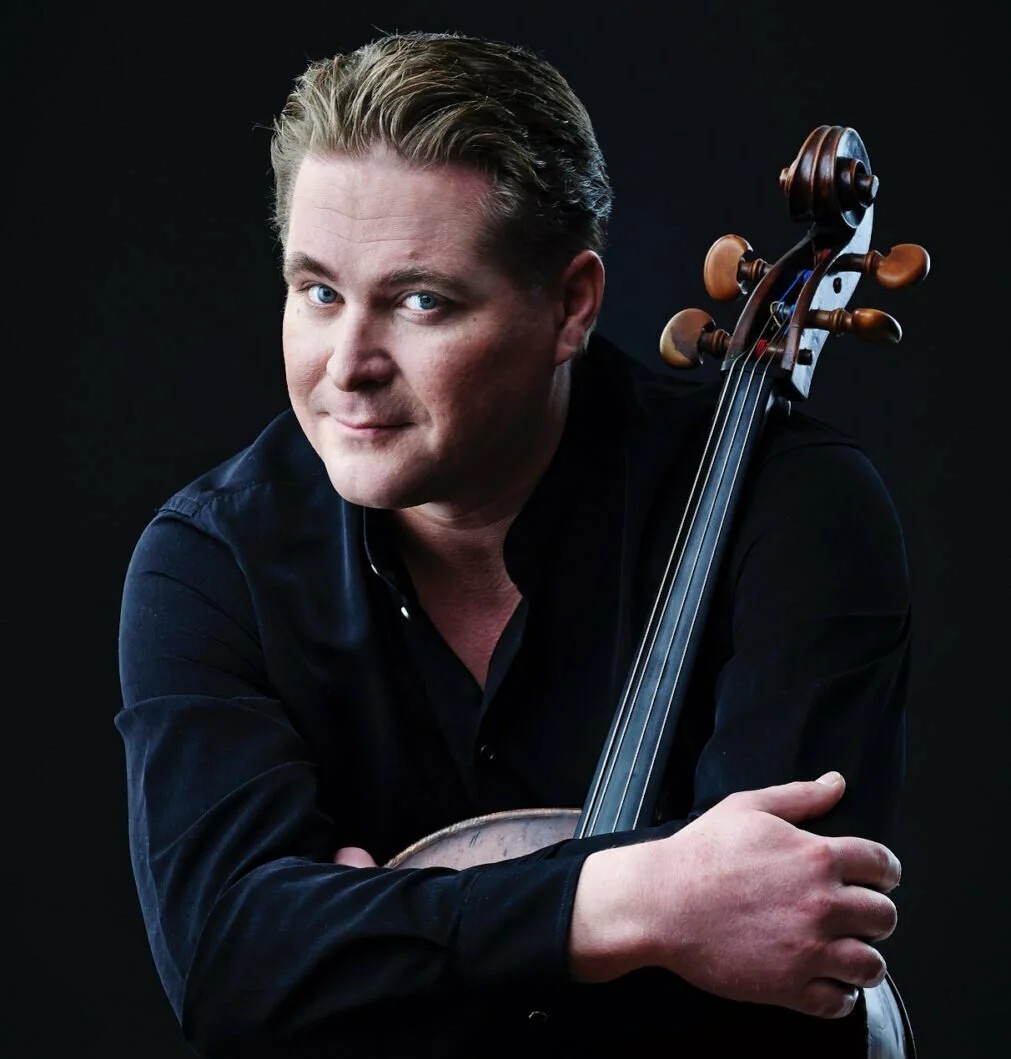
Jan-Erik Gustafsson

Jan-Erik Gustafsson is one of Finland’s most distinguished and internationally sought-after cellists, active as a soloist, chamber musician, and pedagogue. He began his studies at the West Helsinki Music Institute with Markku Luolajan-Mikkola and continued at the Edsberg Institute in Stockholm with Mikhail Homitser and Frans Helmerson, completing his soloist diploma in 1992.

He gained international recognition at the age of fifteen through his success in the EBU Young Musicians Competition in Copenhagen. Since then, he has appeared as a soloist with leading orchestras worldwide, including the Royal Stockholm Philharmonic Orchestra, the Berlin Radio Symphony Orchestra, and the Hong Kong Philharmonic Orchestra, as well as nearly all Finnish orchestras. He has collaborated with renowned conductors such as Esa-Pekka Salonen, Jukka-Pekka Saraste, Paavo Järvi, Osmo Vänskä, Klaus Mäkelä, and Leif Segerstam.

A highly respected chamber musician, Jan-Erik Gustafsson is a regular guest at international festivals and has collaborated with artists including Pinchas Zukerman, Leonidas Kavakos, Christian Tetzlaff, Leif Ove Andsnes, and Ivry Gitlis. He has made numerous critically acclaimed recordings for the Ondine label. He serves as Artistic Director of the Korsholm Music Festival (Musikfestspelen Korsholm) and plays a cello made in 1890 by Stefano Scarampella.

Anna-Liisa Bezrodny

Anna-Liisa Bezrodny (10.9.1981) is an Estonian violinist who was born into a family of distinguished musicians and grew up in Finland. She is currently a highly sought-after soloist, chamber musician, and pedagogue around the world.


She began her violin studies at the age of two with Professor Ivi Tivik, and at the age of nine, she started studying at the Sibelius Academy in Helsinki, in the class of her parents, Professor Igor Bezrodny and Professor Mari Tampere-Bezrodny. Her later years (2001-) took her to London, where in 2006 she won the Guildhall School of Music and Drama’s most prestigious award, the Guildhall Gold Medal. Previous winners of this award include such masters as Bryn Terfel and Jacqueline du Pré.


Over the years, Anna-Liisa has performed as a soloist with various orchestras in some of the world’s most prestigious concert venues, including the Gewandhaus Leipzig, Royal Festival Hall, Barbican Hall, Wigmore Hall, Konzerthaus Berlin, Kölner Philharmonie, Cadogan Hall, Birmingham Symphony Hall, Finlandia Hall, Estonia Concert Hall, the Grand Hall of the St. Petersburg Philharmonia, the Great Hall of the Moscow Conservatory, and countless others. Anna-Liisa has worked with outstanding conductors such as Leif Segerstam, Neeme Järvi, Paavo Järvi, Kristjan Järvi, Leonid Grin, Nikolay Alekseyev, Eri Klas, Okko Kamu, Olari Elts, Eugene Tzigane, Johannes Gustavsson, Taavi Oramo, Sian Edwards, Sascha Goetzel, Juha Kangas, Santtu-Matias Rouvali, Arvo Volmer, Mihkel Kütson, among others.


She has recorded a CD for ALBA RECORDS with pianist Ivari Ilja, receiving acclaim worldwide (featuring works such as Elgar’s Sonata, Sibelius’s Humoresques, Prokofiev’s Sonata in D, and Rimsky-Korsakov’s Fantasy), recorded E. Tamberg’s Violin Concerto with Mihkel Kütson and the Vanemuine Orchestra, a DVD for ERP (Haydn’s and Mozart’s Violin Concertos), and most recently Mendelssohn’s Octet with Maxim Vengerov for DECCA Records, as well as Enescu’s early Quintet opus with Bayerische Rundfunk.


Anna-Liisa is a dedicated chamber musician, participating in numerous festivals worldwide. She has collaborated with many outstanding musicians, including Ivry Gitlis, Maxim Vengerov, Ida Haendel, Liana Isakadze, Alexander Rudin, Mackenzie Melemed, Jan-Erik Gustafsson, Peeter Laul, Jean-Efflam Bavouzet, Lisa Batiashvili, Gilles Apap, Sayaka Shoji, Víkingur Ólafsson, and many others. Her repertoire ranges from baroque to contemporary music, including premieres by both Finnish and Estonian composers, such as Aulis Sallinen, Sebastian Fagerlund, Tõnu Kõrvits, Jaan Rääts, Harri Wessman, Rein Rannap, Ülo Krigul, among others.


In addition to her solo career, Anna-Liisa has taught at various institutions in different countries: the Hochschule für Musik in Karlsruhe, the Guildhall School of Music and Drama, and the Purcell School in London. She has conducted masterclasses in Norway, Sweden, Estonia, Finland, Romania, Italy, Chile, Argentina, Brazil, Russia, and the United Kingdom.


Anna-Liisa Bezrodny is the new artistic director of the Tallinn Chamber Music Festival and a collaborator with the Estonian Sinfonietta. Her future plans include performing Sibelius’s Violin Concerto under the direction of Maxim Vengerov and Bach’s Double Concerto on a tour with violin legend Nigel Kennedy, with plans to later record it along with the Brandenburg Concertos.


Currently, Anna-Liisa plays on a 1678 Hieronymus II Amati violin, which is on loan from the Finnish Cultural Foundation.